

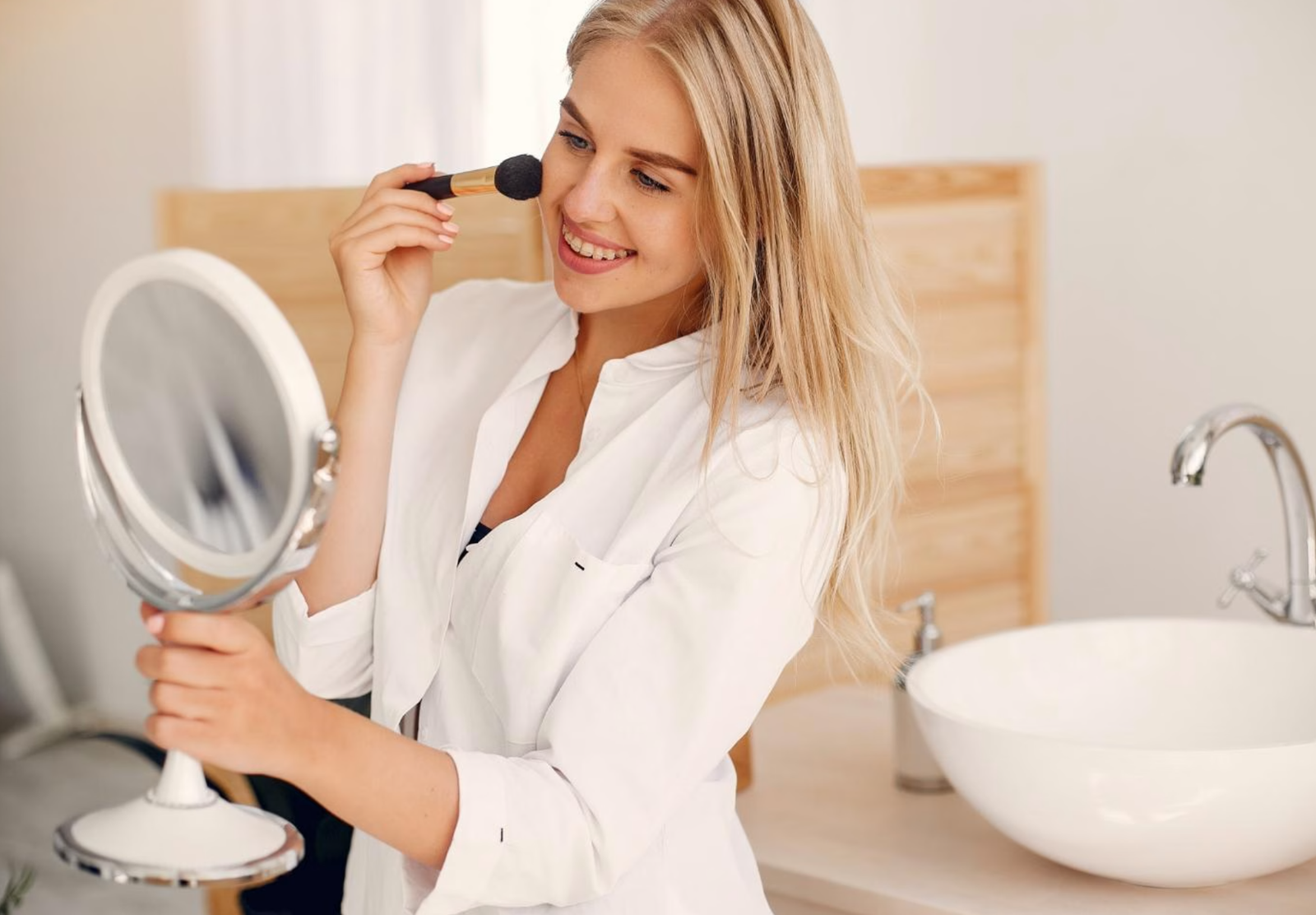
For years, beauty culture revolved around accumulation. More products promised better skin, longer routines suggested deeper care, and bathroom shelves became markers of commitment. Recently, that logic has begun to change. Instead of asking what to add next, many people are rethinking how their routines actually function. The focus is moving away from volume and toward process, how often skin is cleansed, how it reacts to repeated steps, and how daily habits influence long-term results. This shift shows up in subtle choices too, from simplifying skincare steps to opting for basics like handmade soap when reducing unnecessary complexity in personal care.
This change is not about abandoning beauty rituals altogether. It reflects a more informed approach, one shaped by a better understanding of how skin responds to consistency, overuse, and environmental stressors.
Why Skin Responds Better to Structure Than Excess
Skin is adaptive, but it is also sensitive to overload. Constantly introducing new actives, rotating cleansers, or layering products without a clear purpose can disrupt the skin barrier, leading to irritation or unpredictable results. As consumers become more educated, many are realizing that structure matters more than novelty.
Process-based routines focus on timing, frequency, and recovery. Instead of using everything at once, products are selected for specific roles and used with intention. This approach allows the skin to reset, respond, and strengthen rather than stay in a constant state of reaction.
The American Academy of Dermatology has repeatedly emphasized that maintaining a healthy skin barrier through gentle cleansing and appropriate product use is more effective than aggressive routines. When the barrier is intact, skin manages moisture better, tolerates actives more effectively, and recovers faster from stress.
The Rise of “Low-Intervention” Beauty
One of the most noticeable trends tied to process-focused beauty is the rise of low-intervention routines. These routines prioritize fewer steps, minimal formulation overlap, and predictable patterns. Rather than chasing immediate transformation, they emphasize gradual improvement.
Low-intervention beauty does not mean neglect. It means reducing friction. Harsh exfoliation, constant product switching, and over-cleansing are replaced with steady care that respects the skin’s natural cycles. Many people find that once irritation decreases, concerns like uneven texture or dullness also become easier to manage.
This trend also reflects a growing skepticism toward “miracle” products. Consumers are less likely to believe that a single item can compensate for inconsistent habits. Instead, they look for routines that make sense over weeks and months.
How Skin Cycling Changed the Conversation
The popularity of skin cycling helped accelerate this shift. By introducing structured nights for exfoliation, treatment, and recovery, skin cycling reframed skincare as a schedule rather than a pile of products. The appeal wasn’t just the technique itself, but the logic behind it.
Skin cycling made it acceptable to rest the skin. Recovery nights became just as important as treatment nights. This validated the idea that doing less, strategically, could produce better outcomes than doing everything all the time.
More importantly, it encouraged people to pay attention to how their skin feels, not just how it looks. Sensitivity, tightness, and inflammation became signals rather than inconveniences to push through.
Beauty as Sensory Experience, Not Just Outcome
Another reason beauty routines are evolving is a renewed appreciation for sensory experience. Texture, scent, and tactile comfort influence whether a routine feels sustainable. When products feel harsh or overwhelming, adherence drops, regardless of promised benefits.
Gentler routines often feel calmer. The act of cleansing, moisturizing, or applying treatments becomes grounding rather than corrective. This sensory shift aligns with the broader move toward beauty as self-maintenance rather than self-optimization.
Interestingly, when routines feel better, people are more likely to stick with them. Consistency improves not because of discipline, but because the experience itself is pleasant.
The Role of Education in Smarter Beauty Choices

Access to better information has also reshaped beauty behavior. Consumers now understand ingredients, formulation conflicts, and skin biology more clearly than a decade ago. This knowledge makes blind experimentation less appealing.
Instead of following trends blindly, people increasingly ask practical questions:
How often should this be used?
What does my skin need time to recover from?
Which steps actually support barrier health?
This educational shift encourages restraint. When users understand why a product works, they are less likely to overuse it or combine it incorrectly. Beauty becomes intentional rather than impulsive.
Why Fewer Products Often Lead to Better Results
Paradoxically, many people see improvement after removing steps from their routines. Reducing exfoliation frequency, simplifying cleansing, or eliminating redundant actives can calm the skin and restore balance.
This does not mean that advanced products are ineffective. It means their effectiveness depends on context. Without a stable base routine, even high-quality formulations struggle to perform as intended.
Process-driven beauty recognizes that skincare is cumulative. Results come from alignment between products, timing, and skin tolerance, not from constant intervention.
What This Shift Means for the Future of Beauty
As beauty continues to evolve, routines are likely to become more individualized and less performative. The emphasis will move further away from visible complexity and toward behind-the-scenes consistency.
Brands that support education, flexibility, and long-term use are likely to resonate more than those built solely around trend cycles. Consumers are no longer impressed by abundance alone; they are looking for coherence.
Ultimately, this shift suggests a more mature beauty culture. One that values understanding over accumulation, process over excess, and skin health over instant gratification.
