


Hip and knee pain can make everyday activities difficult. Walking, climbing stairs, and sleeping may become painful. When other treatments no longer help, joint replacement may be recommended.
However, some UK patients face long NHS waiting times. Others prefer private treatment but find UK prices expensive. This leads many patients to consider surgery abroad.
Poland, Turkey, and Spain are popular options for orthopedic treatment. Each country offers different prices, hospitals, and rehabilitation services. Understanding these differences can help patients make informed decisions.
Why UK Patients Look Abroad for Joint Replacement
Long waiting times are one reason patients explore treatment abroad. NHS England aims to provide most planned treatments within 18 weeks. However, not everyone receives treatment within this period.
Patients with severe joint pain may struggle while waiting. Some find it difficult to work, exercise, or manage daily activities. Private treatment in the UK can also be expensive.
Treatment abroad may offer earlier consultations and more affordable surgical options. Patients can also compare hospitals and surgeons before making decisions. However, traveling for major surgery requires careful planning.
Poland, Turkey and Spain: What Makes Them Different?
All three countries have hospitals offering hip and knee replacement surgery. However, their costs, locations, and treatment arrangements differ.
Poland
Poland is a popular choice for UK patients seeking treatment within Europe. Its geographical location makes travel relatively convenient. Patients can explore several orthopedic clinics in cities such as Warsaw and Krakow. Those considering hip replacement in Poland can compare available hospitals and treatment costs.
Turkey
Turkey attracts international patients through its private hospitals and medical tourism services. Cities such as Istanbul and Ankara offer several knee replacement treatment options. Patients can explore partial and total knee replacement procedures. Some hospitals also offer robotic-assisted surgery.
International patient departments assist with appointments, accommodation, and airport transfers. However, patients should check which services are included in their package.
Spain
Spain offers private hospitals with established orthopedic departments. Patients can explore treatment in cities such as Barcelona and Madrid.
The country offers hip and knee replacement procedures, along with physiotherapy services. However, treatment costs can be higher than in Poland and Turkey. Patients should compare hospital facilities and rehabilitation arrangements before choosing a provider.
Hip and Knee Replacement Costs Compared
Prices vary by implant, hospital, surgeon, and the patient’s medical condition. The following figures provide a starting point for comparison.
| Country | Starting Cost | Hospital Stay | Rehabilitation |
|---|---|---|---|
| Poland | £7,000 (hip) | Varies | Package-dependent |
| Turkey | $8,600 (knee) | Varies | Package-dependent |
| Spain | $16,900 (hip) | Varies | Package-dependent |
Patients should request a detailed quotation before booking. It should cover the implant, surgeon’s fees, anesthesia, tests, hospital stay, and medication.
They should also ask about accommodation, transfers, physiotherapy, and additional hospital nights. These expenses can increase the overall treatment budget.
Implants and Surgeon Checks Before Surgery
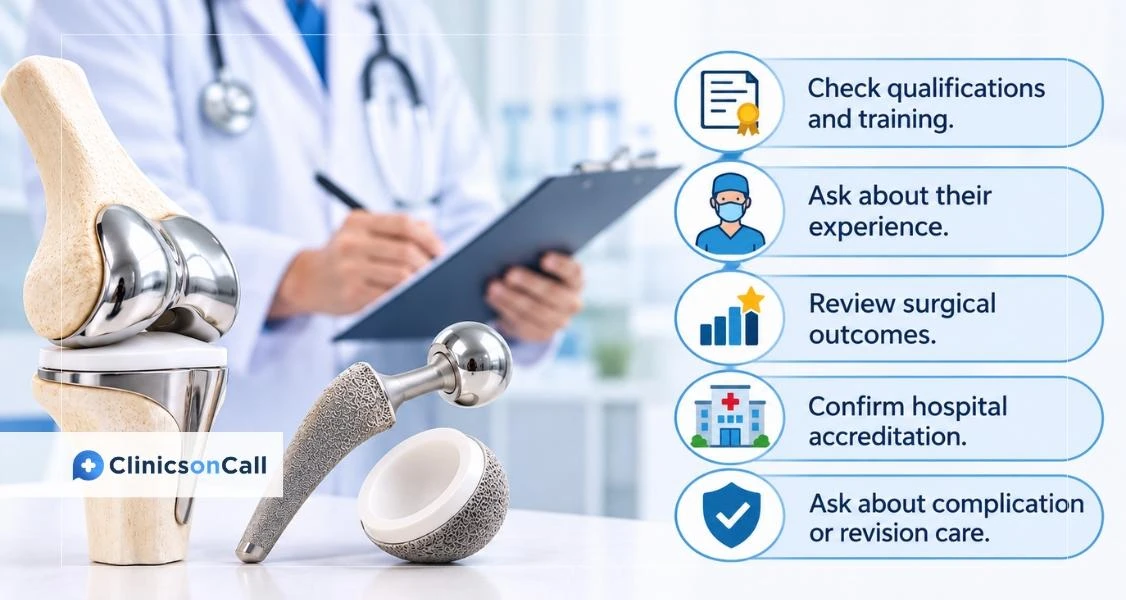
The implant is an important part of joint replacement surgery. Patients should understand which implant their surgeon plans to use.
Ask about the manufacturer, model, materials, and expected lifespan. Also, check whether the implant suits your age, activity level, and medical condition.
The surgeon’s experience is equally important. Consider these checks before making a decision:
- Check the surgeon’s qualifications and orthopedic training.
- Ask about their experience with hip or knee replacements.
- Request information about their surgical outcomes and complication rates.
- Confirm the hospital’s registration and relevant accreditation.
- Ask who will manage complications or revision surgery.
Patients should also discuss possible risks. These include infection, blood clots, implant loosening, and persistent pain. No hospital or surgeon can guarantee a perfect result.
Flying After Joint Replacement: Understanding DVT Risks
Flying too soon after surgery can increase the risk of deep vein thrombosis (DVT). This condition occurs when a blood clot forms in a deep vein, usually in the leg. Recent surgery and limited movement increase this risk. Long journeys can add further complications.
Patients should never book return flights without medical clearance. The surgeon must assess mobility, wound healing, and clotting risks before approving travel.
Some NHS orthopedic guidance recommends waiting around three months after hip or knee replacement before long-distance travel. Advice can vary between patients and hospitals.
After receiving medical approval, patients should follow their prescribed clot prevention plan. Regular movement, adequate hydration, and prescribed medication can help reduce risks.
Rehabilitation and NHS Follow-Up After Returning Home
Rehabilitation plays an important role in joint replacement recovery. Physiotherapy helps patients improve movement, strength, and balance.
Before choosing a hospital, ask how many physiotherapy sessions the package includes. Also, check whether rehabilitation takes place in the hospital or at a separate center. Patients should arrange follow-up care before traveling abroad. Ask the surgeon for a discharge summary, operation report, implant details, and rehabilitation instructions.
These documents can help NHS doctors understand the treatment received. However, NHS follow-up and physiotherapy are not automatically guaranteed after privately funded overseas surgery.
Contact your GP or local NHS service to discuss ongoing care. Arrange suitable appointments and physiotherapy before leaving for treatment.
Conclusion
Poland, Turkey, and Spain offer different options for UK patients considering joint replacement. Each destination has advantages and costs worth comparing.
However, surgery abroad involves more than choosing an affordable hospital. Patients must consider implant quality, surgeon experience, rehabilitation, and safe travel arrangements.
A detailed medical assessment and written treatment plan can help reduce uncertainty. Most importantly, discuss your options with qualified healthcare professionals before making a final decision.
FAQs
How long should I stay abroad after surgery?
The required stay depends on recovery and medical clearance. Patients may need additional accommodation after hospital discharge. Ask the surgeon to recommend a safe travel date.
Does the treatment package include physiotherapy?
Not always. Some hospitals offer rehabilitation packages, while others charge separately. Confirm the number of sessions and their duration before booking.
Can I have hip or knee replacement abroad and receive NHS follow-up?
You can contact NHS services after returning home. However, follow-up arrangements depend on your clinical needs and local service policies. Carry all medical documents from your overseas hospital.
